Table Of Content

Rent and the various utilities paid by residents vary by location, but the cost of living in an Oxford House is usually no more than what it would cost to live elsewhere. Plus, this option may actually be cheaper than other housing environments given the fact that residents split the household costs among several residents. Try to determine their optimism, willingness to offer support and motivation for remaining sober. That can be a good time to get to know future roommates and decide whether that particular house is best for you. Several factors determine length of stay, such as the severity of the addiction, a person’s history of substance abuse, their recovery progress, ability to follow rules and ability to pay rent. The homes usually include a kitchen, common areas and laundry accommodations.
Q. How many individuals lived in an Oxford House during 2010?
Oxford House Placement Services is a non-profit referral agency founded to help recovering individuals find placements in Oxford Houses in their locality. We maintain a toll free hotline reporting towns and phone numbers of Oxford Houses with vacancies. During 2010, approximately 24,000 individuals lived in an Oxford House for some or part of the year.
What are Oxford Houses, and how do they support sober living?
Sober living houses could be condemned for not following building codes - WIFR
Sober living houses could be condemned for not following building codes.
Posted: Mon, 05 Feb 2024 08:00:00 GMT [source]
Although relapse is a common part of the recovery process, it threatens the recovery of all residents. Thus, individuals who relapse are usually removed from the sober living home as soon as possible. Many sober living homes refer the resident to a drug addiction rehab center or offer another form of treatment. Sober living homes are structured, safe and substance-free living environments for individuals in recovery.
Self-Help for Sobriety Without Relapse
The first Oxford House was established in 1975 in Silver Spring, Maryland. From the beginning the group rejected ownership of any property and continues to rent – not purchase – single-family houses in good neighborhoods to establish new Oxford Houses. In the years between 1975 and 1988, eighteen Houses were established by and for recovering individuals. Additionally, the democratic decision-making process allows residents to address any safety concerns collectively and implement appropriate measures to ensure a secure and supportive living environment. As part of a comprehensive addiction treatment plan, recovery housing like Oxford Houses can play a crucial role in helping individuals stay in treatment and maintain their sobriety. According to the National Institute on Drug Abuse (NIDA), a stable living environment can significantly improve treatment outcomes.
Rockford agrees to pause condemnation of Oxford House locations - Rockford Register Star
Rockford agrees to pause condemnation of Oxford House locations.
Posted: Mon, 29 Apr 2024 08:43:42 GMT [source]
Each Oxford House operates democratically, pays its own bills, and expels any member who returns to drinking alcohol or using drugs. Large houses are rented and located in nice neighborhoods giving anywhere from 6 to 15 same-gender individuals a safe, supportive place to call home. The success of Oxford House is well documented and has resulted in the inclusion of the Oxford House Model into the SAMSHA National Registry of Evidence Based Programs and Practices (NREPP). Having time to become comfortable in sobriety might be the single most important part of the Oxford House success story.
The number of residents in a House may range from six to fifteen; there are houses for men, houses for women, and houses which accept women with children. Oxford Houses flourish in metropolitan areas such as New York City and Washington D.C. And thrive in such diverse communities as Hawaii, Washington State, Canada and Australia; but they all abide by the basic criteria.
Oxford House will not charter a house with fewer than six individuals because experience has shown that it takes at least six individuals to form an effective group. Oxford Houses are democratically self-run by the residents who elect officers to serve for terms of six months. In this respect, they are similar to a college fraternity, sorority, or a small New England town. Officers have fixed terms of office to avoid bossism or corruption of egalitarian democracy.
Numerous studies have shown that most people who live in sober homes after attending treatment have low rates of relapse and are able to live productive lives. Sober living homes are realistic, cost-effective living environmentsr for people in recovery. Following an application and approval process, individuals living in a house are expected to participate in a recovery program in the community during their residence. Oxford Houses are peer-driven, democratically run, and self-supported group residences.
It developed four levels of support that can be used to characterize most sober living homes. Most homes house between eight and 15 members, with most staying about a year. To begin the admission process, you must fill out an Oxford House application. Once that’s received by the house, you’ll be interviewed by the house members. After the interview, the house members will decide if you’ll be allowed to move in by taking a vote. Sometimes, home is not the best place to be, especially for those in recovery.
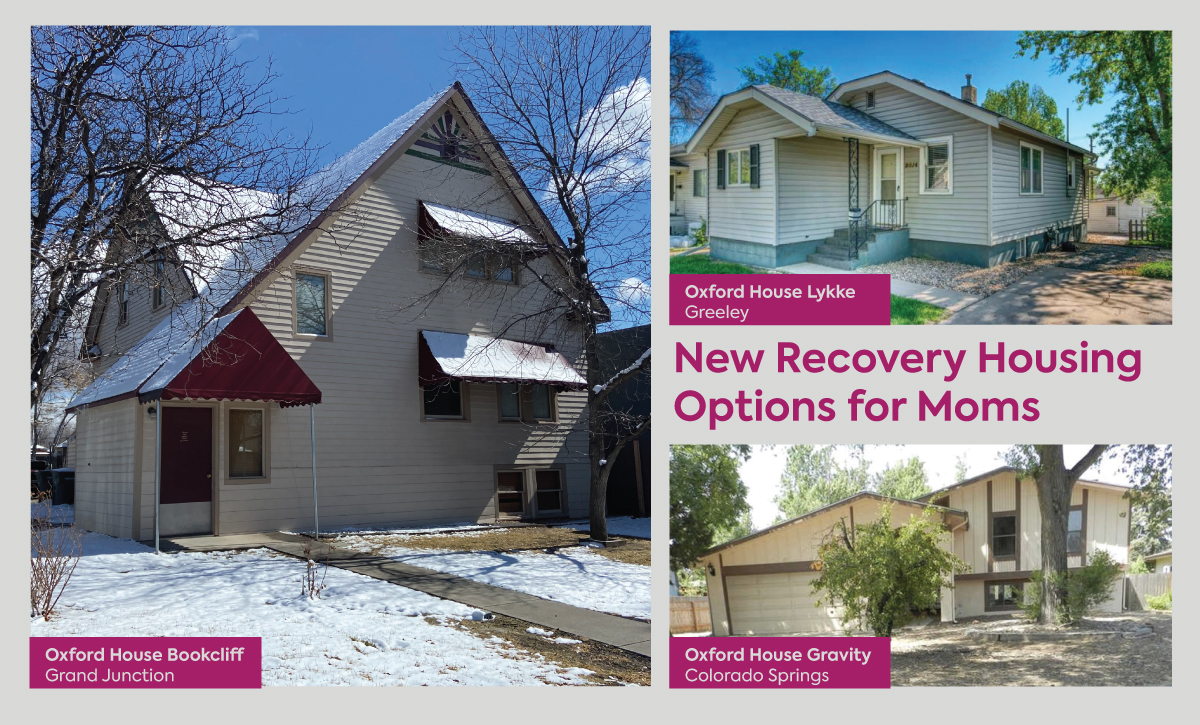
Recovery residences are less expensive than living at a rehabilitation facility or detox center because fewer services are offered. But many sober homes require residents to attend support group meetings or participate in 12-step programs or outpatient treatment, which may be an additional cost for residents to consider. It is no more difficult than for an ordinary family to find a house to rent. Each Oxford House is an ordinary single-family house with two bathrooms and four or more bedrooms. Ideally several of the bedrooms are large enough for two twin beds so that newcomers, in particular, are able to have a roommate.
It includes building relationships, supporting others and practicing healthy ways to overcome triggers. There is no official minimum time limit for acceptance, but generally an individual comes into an Oxford House following a 14 to 28 day rehabilitation program, or at least a detoxification period. Equal Expense Shared (EES) is generally between 80 and 160 dollars a week and includes utilities. Weekly business meetings are mandatory to discuss any issues that the house may be facing. It is at these meetings that checks are written for bills and residents are made aware of where they stand financially. Generally an individual comes into an Oxford House following a 28-day rehabilitation program or at least a 5 to10-day detoxification program.
Some sober living homes are covered by private insurance, government funding or Medicaid. Some residents also pay for sober housing through scholarships, loans or credit cards. In general, individuals with a history of vagrancy, incarceration or inadequate social support are at high risk of relapse. But sober living homes can be beneficial for anyone in recovery who does not have a supportive, substance-free environment to go home to. Oxford House facilities are the best examples of Level I sober living homes.
Some sober living homes have exercise equipment, fitness areas, recreational space, pools and cookout areas. The homes may also be near an outpatient treatment center or on the campus of residential rehab facility. In NARR homes, the goal is to protect the health of all residents, not to punish the resident experiencing relapse. In Oxford Houses, individuals who relapse cannot return until they complete a 28-day rehab program or complete treatment and demonstrate an ability to continually attend support group meetings. The ways that sober living houses work vary depending on the level of support provided. The National Alliance for Recovery Residences is one of the largest associations of sober living homes in the United States.
Sober living homes usually house only same-sex residents and require residents to complete either a detox program or an inpatient rehab program before moving in. Additionally, residents must agree to a number of rules when they move in. Any recovering alcoholic or drug addict can apply to get into any Oxford House by filling out an application and being interviewed by the existing members of the House. The application is then considered by the membership of the House and if there is a vacancy and if 80% of the members approve, the applicant is accepted and moves in. If an applicant does not get voted into one house he or she should try another house in the area. The Oxford House website contains an application and information about How to Apply to live in an Oxford House.
Arrange for an interview with the current House members, who will vote on your acceptance. • Tsombanidis, and Oxford House, Inc. v. City of West Haven, Connecticut 180 F. 262 (CT. 2001) – prohibiting localities from applying fire safety requirements not applicable to biological families in similar rentals. Experience has shown that Oxford Houses work for both men and women, but not in the same house. The Board of Directors maintains the sole right to Charter, and to revoke the Charter of, individual Oxford Houses and exercises authority over the policies and officers of Oxford House, Inc.
Help us continue our valuable work of providing sober living to more people in our area. Using the contact information for the house you’ve chosen, call and set up an interview. Each house conducts its own interviews and votes on admitting new members. To learn more about different types of recovery housing and their accreditation, you can visit the National Association of Recovery Residences (NARR) website. The average number of times an Oxford House resident has been through prior treatment is three, but for about a quarter of residents their Oxford House residency is after their first treatment episode. Experience of Oxford House has shown that from 8 to 15 members works very well.